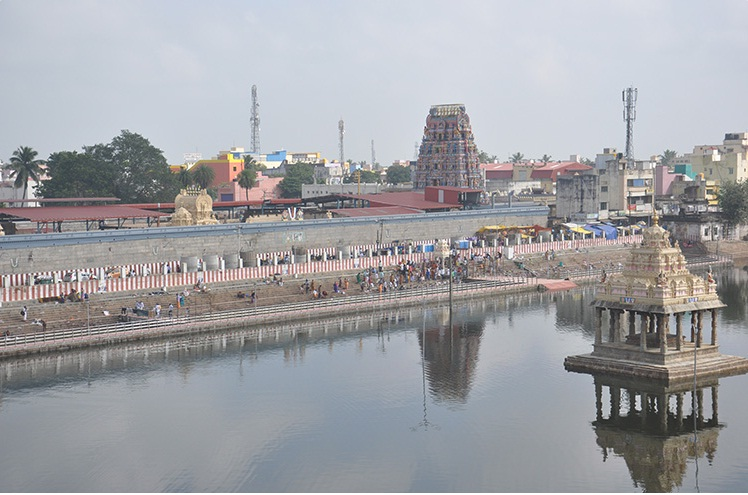
Tourist Places in Pudukottai District
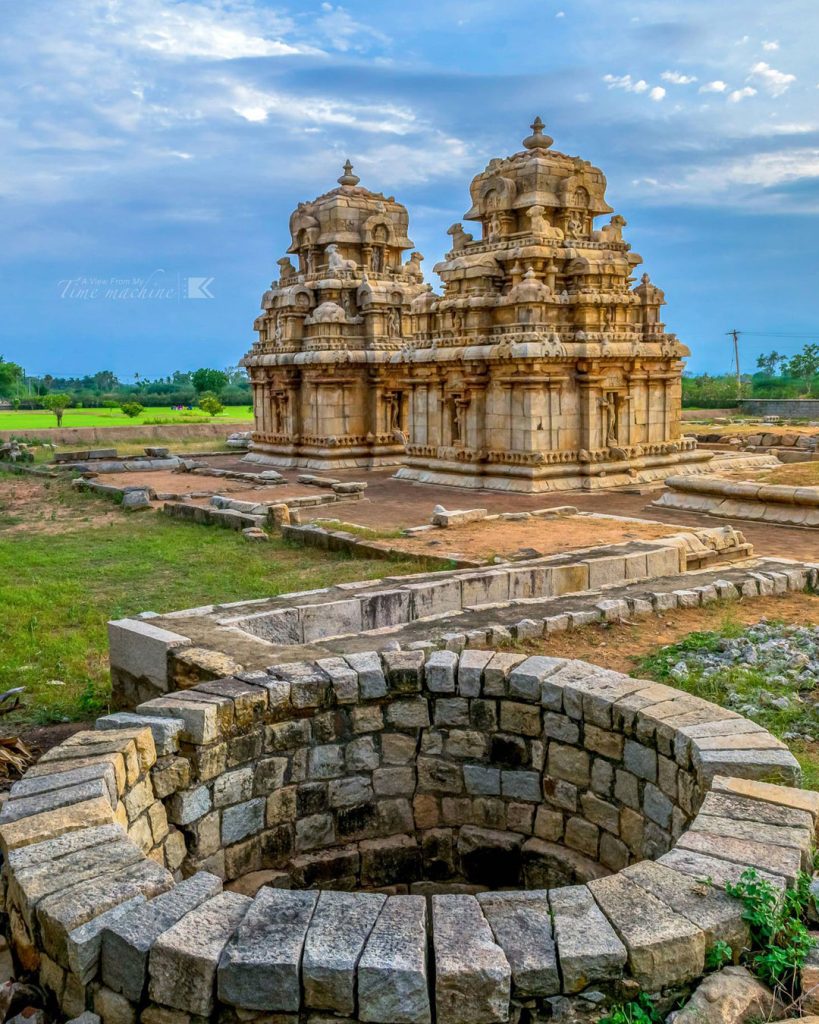
Explore the ancient rock-cut cave temples, magnificent historical forts, royal palaces, and serene heritage sites across the culturally rich Pudukottai district in Tamil Nadu.
Introduction to Pudukottai District Tourism
Nestled in the southern region of Tamil Nadu, Pudukottai district serves as an open-air museum of ancient history, art, and architecture. Ruling dynasties like the Cholas, Pandyas, Pallavas, and the Tondaiman royal family left behind an incredible legacy of monuments. Unlike bustling metropolitan hubs, this district offers a tranquil journey through time, featuring rare Jain frescoes, historic rock-cut shrines, and magnificent medieval fortresses.
Many travelers miss out on the incredible depth of this region because they overlook its lesser-known towns. However, uncovering every corner reveals a fascinating mix of spiritual devotion and architectural brilliance. This comprehensive guide details all the major locations across the district to help you plan an unforgettable itinerary.
1. Ancient Rock-Cut Temples and Historic Caves
Pudukottai is globally renowned for its early rock-cut architecture and prehistoric cave sanctuaries:
- Sittannavasal (Chithannavasal): A legendary historic site famous for its 7th-century rock-cut Jain cave temple featuring magnificent natural color frescoes and polished stone beds.
- Kunnandarkoil Cave Temple: An extraordinary monolithic rock-cut shrine carved entirely from a single rock mass, showcasing classic early Chola craftsmanship.
- Kudimiyanmalai Sikharagiriswara Temple: An ancient hill shrine featuring rare musical inscriptions carved into rock walls detailing ancient Carnatic notes.
- Narthamalai Vijayalayacholeswara & Cave Temples: One of the oldest surviving stone temples in Tamil Nadu, accompanied by ancient rock-cut Shiva shrines.
- Malayadipatti Kan Niraintha Perumal Temple: A fascinating rock-cut cave complex dedicated to Lord Vishnu and Lord Shiva with exquisite ancient sculptures.
2. Magnificent Forts and Royal Heritage
The district preserves impressive fortifications and royal structures that reflect centuries of defense strategies and royal luxury:
- Thirumayam Fort: A massive 17th-century fortress built by the Kings of Ramnad, housing ancient armories, hidden pathways, and shrines.
- Pudukottai Royal Palace (Aranmanai): The grand administrative and residential seat of the former Tondaiman rulers, showcasing a unique blend of architectural styles.
- Government Museum, Pudukkottai: A treasure house containing rare archaeological artifacts, ancient bronzes, coins, and natural history specimens.
- Kadiyapatti Chidambara Vilas: A stunning heritage mansion showcasing the architectural grandeur and opulence of traditional Chettinad architecture.
- Porpanaikkottai Muneeswar Temple: An ancient historic fortification site currently drawing archaeological interest for ancient trade relics.
3. Prominent Spiritual Shrines and Churches
Religious harmony and ancient architectural devotion thrive deeply across the towns and villages of Pudukottai:
- Sri Brahadambal Temple & Thirukokarnam: A revered historic temple complex associated closely with the royal family and dedicated to Goddess Brahadambal.
- Viralimalai Murugan Temple: A picturesque hill temple dedicated to Lord Muruga, famous for its resident peacock sanctuary and vibrant annual chariot festivals.
- Avudaiyar Temple (Aranthangi): A masterclass in stone sculpture where the main deity is formless (Atma Lingam), surrounded by incredibly intricate stone roof pillars.
- Avur Church (Our Lady of Good Health Church): A historic Christian pilgrimage center known for its stunning Gothic architecture and annual September feasts.
- Kattubhava Pallivasal: A revered Sufi shrine that attracts pilgrims from diverse backgrounds seeking peace and spiritual blessings.
- Thiruvappur Mariyamman Temple & Sri Bhuvaneshwari Temple: Highly popular regional shrines known for intense devotional gatherings and unique rituals.
- Thirupunavasal Viruthapuriswarar Temple: An expansive and ancient coastal temple complex known for its deep spiritual heritage.
- Thiruvengaivasal Vyakrapureeswarar Temple & Kannadiparameshwari Temple: Sacred rural shrines featuring magnificent ancient stone carvings and regional legends.
4. Scenic Lakes, Parks, and Nearby Outskirts
Nature and recreation blend smoothly with history throughout the district and its neighboring boundaries:
- Pudukulam Lake: A serene local water body offering peaceful evening walks and rich birdwatching opportunities.
- Vayalogam: A picturesque rural village surrounded by lush green paddy fields, tranquil lakes, and rolling green hills.
- Adhisayapuram Amusement Park: A popular family entertainment zone on the town outskirts featuring water slides and thrilling rides.
- Kodiyakarai & Manora Fort: Coastal historical towers and wildlife sanctuaries located near neighboring delta zones offering panoramic sea views.
- Moovar Temple (Kodumbalur): A supreme example of early brick and stone architecture built by the Irukkuvel chieftains, featuring exquisite decorative panels.
For official tourism updates, district guidelines, and regional administrative data, you can visit the Government of Tamil Nadu Portal.
Frequently Asked Questions (FAQs)
1. What is the best time to visit Pudukottai district?
The ideal period to visit is from October to March, when the weather remains cool and pleasant for exploring open-air monuments and rock-cut caves.
2. Why is Sittannavasal famous?
Sittannavasal is world-famous for its ancient 7th-century Jain rock-cut cave temple and rare prehistoric fresco paintings similar to the Ajanta caves.
3. How can I reach Pudukottai town?
Pudukottai is well-connected by direct rail routes and state highways linking major cities like Tiruchirappalli, Madurai, and Thanjavur.
4. What is unique about Avudaiyar Temple?
Avudaiyar Temple features a formless main deity (Atma Lingam) and showcases some of the most complex, lifelike stone pillar carvings in South India.
5. Are there entry fees for historical monuments in Pudukottai?
Most protected monuments managed by the Archaeological Survey of India (ASI) or state departments have nominal or zero entry fees.
6. What architectural style does Moovar Temple in Kodumbalur represent?
Moovar Temple represents the unique early medieval art style of the Irukkuvel chieftains with fine sculptural reliefs.
7. Is Pudukottai safe for family tourism and photography?
Yes, Pudukottai is exceptionally safe, peaceful, and offers incredible scenic and architectural backdrops for photography enthusiasts.
8. What local items can I buy when visiting Pudukottai?
Visitors frequently explore nearby Chettinad regions to purchase antique brass artifacts, handloom cotton sarees, and local palm crafts.
9. Can tourists climb Thirumayam Fort?
Yes, visitors can walk up the historic staircases of Thirumayam Fort to enjoy panoramic countryside views and explore old canon positions.
10. Where is the Government Museum located?
The Government Museum is located right inside Pudukottai town, making it easily accessible for tourists and history students.