Tourist Places in Madurai District
Explore world-famous Dravidian temples, magnificent royal palaces, serene hill stations, ancient Jain rock-cut caves, and vibrant cultural landmarks across Madurai district in Tamil Nadu.
Introduction to Madurai District Tourism
Known affectionately as the Athens of the East and the cultural capital of Tamil Nadu, Madurai is a legendary city boasting over 2,500 years of continuous habitation. Centered around the magnificent Meenakshi Amman Temple, the district blends ancient Pandya and Nayak royal heritage with bustling markets, classical arts, and profound spirituality. From cascading mountain waterfalls to historic Sufi dargahs and massive water tanks, Madurai offers an intoxicating and unforgettable travel experience.
Whether you are marveling at towering gopurams or exploring tranquil hilltop shrines, Madurai captivates every visitor with its timeless energy. This comprehensive guide details every single location across your itinerary to ensure a complete, well-organized, and memorable travel journey.
1. Iconic Temples and Architectural Masterpieces
Madurai is globally celebrated for its breathtaking Dravidian architecture, towering sculptures, and sacred pilgrimage centers:
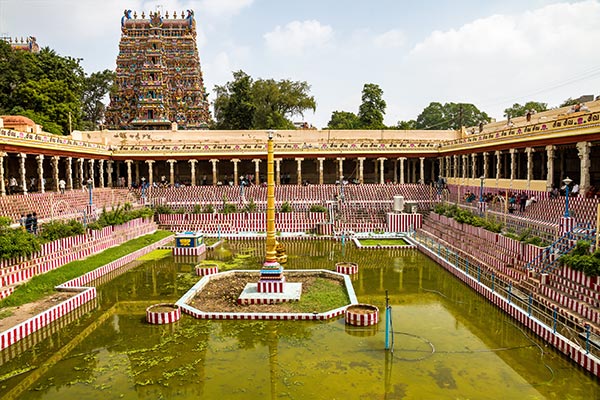
- Arulmigu Meenakshi Amman Temple: The architectural heart of the city featuring towering gopurams, the legendary Hall of Thousand Pillars, and exquisite sacred art.
- Thiruparankundram Murugan Temple & Pazhamudircholai Murugan Temple: Two of the sacred Arupadaiveedu shrines dedicated to Lord Muruga, nestled in historic rock-cut and forested hill settings.
- Koodal Azhagar Temple & Arulmigu Azhagar Kovil: Magnificent ancient Vishnu temples celebrated for intricate sculptures, grand festival chariots, and serene foothill environments.
- Thirumohoor Sri Kalamegaperumal Temple, Sri Yoga Narasimhar Temple, & Arulmigu Immailum Nanmai Tharuvar Temple: Profound architectural temples offering deep historical insights, peaceful atmospheres, and stunning stone carvings.
2. Royal Palaces, Museums, and Historic Landmarks
Discover centuries of royal governance, freedom struggle history, and vibrant craft traditions:
- Thirumalai Nayakar Mahal: A breathtaking 17th-century royal palace showcasing Indo-Saracenic architecture, massive stucco-work domes, and soaring granite pillars.
- Gandhi Memorial Museum & Pudhu Mandapam: Historic institutions preserving Mahatma Gandhi's blood-stained garments, freedom archives, and traditional textile markets beneath palace colonnades.
- Vilachery Pottery Village & Sri Agathiyar Nadi Jothida Nilayam: Cultural hubs where local artisans craft traditional clay festival idols and ancient palm-leaf astrology predictions are preserved.
- Kazimar Big Mosque, Goripalayam Dargah, & Saint Mary's Cathedral Church: Venerable multi-faith landmarks reflecting architectural elegance and centuries of communal harmony in Madurai.
3. Hills, Waterfalls, Eco-Tourism, and Recreational Parks
Explore lush green mountain ranges, cascading waterfalls, scenic reservoirs, and family entertainment parks:
- Meghamalai (High Wavy Mountains): A pristine and mist-covered hill station retreat featuring sprawling tea estates, dense shola forests, and panoramic valley vistas.
- Samanar Hills & Yanaimalai: Ancient historic hills preserving ancient Tamil-Brahmi inscriptions, Jain rock-cut beds, and elephant-shaped rock formations.
- Kutladampatti Falls & Vaigai Dam: Refreshing forest waterfalls and massive engineering reservoirs providing scenic picnic spots and lush agricultural irrigation views.
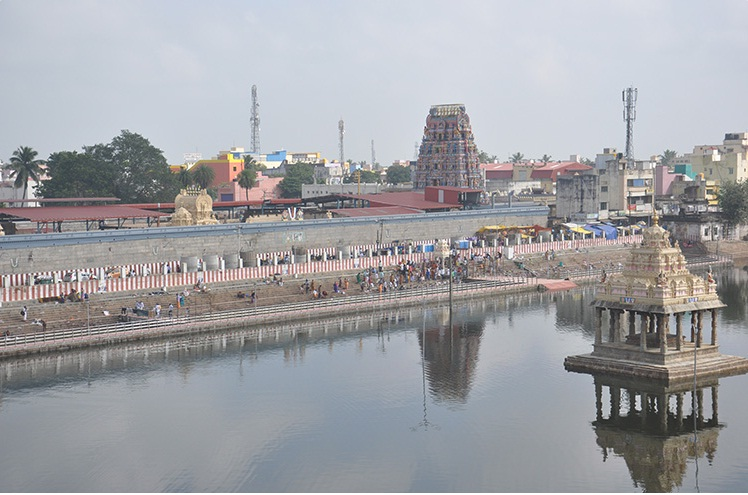
- Vandiyur Mariamman Teppakulam, Athisayam Theme Park, & MGR Race Course Stadium: Sprawling temple water tanks hosting grand float festivals, family amusement parks, and municipal sports complexes.
- Idaikattur Church, Arulmigu Thirumarainathar Temple (Thiruvathavur), ISKCON Temple, Sri Thiru Vaappudayar Shiva Temple, Sri Ramana Mandiram, Arulmigu Noopura Gangai Raykkayi Amman Temple, & Arittapatti Shivan Temple: Sacred spiritual sanctuaries and heritage sites offering tranquil meditation and deep cultural exploration.
For comprehensive official tourism updates, regional administration guidelines, and state travel resources, you can visit the Government of Tamil Nadu Portal.
Frequently Asked Questions (FAQs)
1. What is the best time to visit Madurai district?
The ideal period to visit is from October to March, when the weather is cool and comfortable for temple tours and outdoor sightseeing.
2. What makes the Meenakshi Amman Temple famous worldwide?
It is a masterpiece of Dravidian architecture renowned for its towering, brightly painted gopurams and the magnificent Hall of Thousand Pillars.
3. What can visitors see at Thirumalai Nayakar Mahal?
Visitors can explore the grand courtyard, massive dance hall, and stunning Indo-Saracenic pillars built by King Thirumalai Nayak in 1636 AD.
4. How many Murugan Arupadaiveedu temples are in Madurai district?
Madurai district houses two of the six holy abodes of Lord Muruga: Thiruparankundram and Pazhamudircholai.
5. What is Meghamalai known for?
Meghamalai is a serene, less-commercialized hill station famous for its aromatic tea plantations, misty viewpoints, and rich wildlife.
6. What is unique about Samanar Hills?
Samanar Hills feature ancient Jain cave shelters, stone beds, and Tamil-Brahmi inscriptions carved by Jain monks over 2,000 years ago.
7. What local food specialties should I try in Madurai?
Food lovers must try authentic Madurai Jigarthanda, succulent mutton chukka, parotta with salna, and traditional street food delicacies.
8. Is photography permitted inside Madurai temples?
Photography is generally allowed in outer courtyards, but prohibited inside the inner sanctums of major temples like Meenakshi Amman.
9. How do I reach Madurai from major transportation hubs?
Madurai has an international airport and a major railway junction, offering excellent connectivity to all major Indian cities.
10. Is Madurai safe for family cultural and heritage tours?
Madurai is exceptionally safe, highly welcoming to tourists, and provides robust hospitality infrastructure for families and travelers.