Tourist Places in Dindigul District: Hill Station, Fort & Temples
Explore misty Kodaikanal hill station viewpoints, historic rock-cut fortresses, world-famous pilgrimage temples, roaring waterfalls, and serene eco-tourism lakes across Dindigul district in Tamil Nadu.
Introduction to Dindigul District Tourism
Nestled in the southern part of Tamil Nadu and framed by the majestic Palani Hills and Sirumalai ranges, Dindigul district is a breathtaking destination celebrated for its rich historical legacy and natural splendor. Famous globally for locks, leather industries, and biryani, the region also embraces the 'Princess of Hill Stations'—Kodaikanal—alongside the legendary hilltop shrine of Palani. From towering 18th-century granite forts and dramatic cliff waterfalls to peaceful sheep farms and pristine lakes, Dindigul offers an extraordinary travel experience.
Whether you are seeking crisp mountain air, cascading forest streams, or profound spiritual heritage, Dindigul captivates every traveler. This comprehensive guide details every single location across your itinerary to ensure a complete, well-organized, and memorable travel journey.
1. Kodaikanal Hill Station, Lakes, and Scenic Viewpoints
Discover misty plateau retreats, tranquil high-altitude lakes, botanical gardens, and dramatic clifftop panoramas:
- Kodaikanal Hills & Green Valley View (Suicide Point): Iconic hill station landscapes and breathtaking vantage points offering sweeping views of deep green valleys and rolling mists.
- Berijam Lake & Mannavanur: Pristine forest reservoir and picturesque sheep farming village offering peaceful boating, eco-tourism walks, and serene meadow landscapes.
- Chettiar Park & Kurinji Andavar Temple: Tranquil landscaped flower gardens and sacred hill temples dedicated to Lord Muruga amidst blooming Kurinji shrubs.
- Solar Physical Observatory & Kukkal Caves: Historic astronomical research stations and prehistoric rock shelters offering fascinating insights into science and ancient habitation.
2. Majestic Forts, Sacred Pilgrimages, and Historic Landmarks
Explore monumental hilltop fortifications, world-renowned spiritual shrines, and historic multi-faith architectural landmarks:
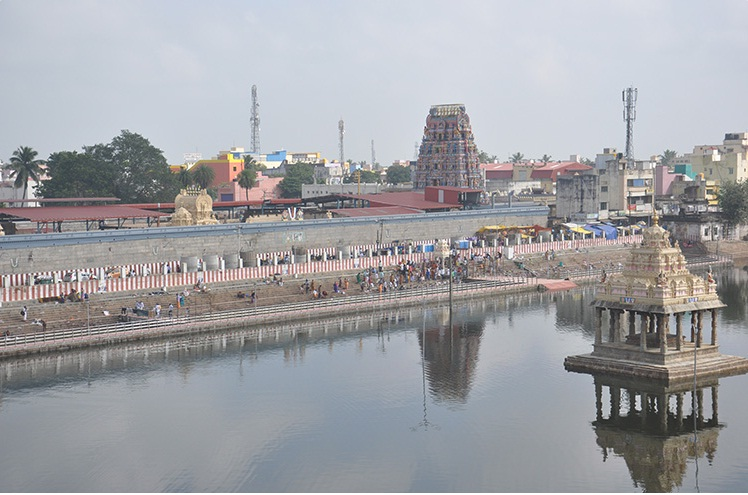
- Palani Murugan Temple: One of the six holy abodes (Arupadaiveedu) of Lord Muruga, drawing millions of global pilgrims to its sacred hill shrine.
- Dindigul Rockfort: A magnificent 17th-century historic hill fortress built by the Nayaks and later fortified by Hyder Ali and Tipu Sultan.
- Begambur Big Mosque & Sri Kottai Mariamman Kovil: Prominent historical and religious landmarks reflecting architectural elegance and community harmony in Dindigul town.
- Arulmigu Abirami Amman Temple & Sri Kalahastheeswarar Temple: Ancient town temples celebrated for intricate stone carvings, grand festival traditions, and profound spiritual energy.
3. Waterfalls, Dams, Reserved Forests, and Nature Reserves
Explore roaring cascading waterfalls, serene irrigation reservoirs, dense wildlife forests, and lush foothill eco-retreats:
- Silver Cascade Falls & Thalaiyar Falls: Spectacular roadside and sheer cliff waterfalls roaring down forest slopes during monsoon seasons.
- Sirumalai Reserved Forests & Bison Wells Jungle: Dense tropical forest ranges providing rich biodiversity, hiking trails, and thrilling wildlife viewing opportunities.
- Ayyanar Falls, Manjalar Dam, & Kamarajar Lake (Athoor): Scenic forest streams and tranquil reservoir waters offering wonderful picnic backdrops and agricultural irrigation views.
- Sri Soundararajaperumal Temple (Thadikombu), Arulmigu Sendrayar Perumal Temple (Palaya Vathalagundu), & Lord Malligarjuna Swamy Temple (Kondarangi Hills): Revered regional shrines and historic hill temples offering spiritual peace and striking natural architecture.
For comprehensive official tourism updates, regional administration guidelines, and state travel resources, you can visit the Government of Tamil Nadu Portal.
Frequently Asked Questions (FAQs)
1. What is the best time to visit Dindigul district and Kodaikanal?
The ideal period to visit is from October to March, when the hill station weather is cool and crisp, and waterfalls are flowing actively.
2. Why is the Palani Murugan Temple famous?
It is one of the six primary abodes (Arupadaiveedu) of Lord Muruga, housing a sacred idol made of navapashanam (nine medicinal herbs).
3. What can visitors explore at Dindigul Rockfort?
Visitors can hike up the historic granite hill to explore ancient battlements, cannons, granaries, and a temple at the summit.
4. How far is Kodaikanal from Dindigul town?
Kodaikanal is located about 90 kilometers from Dindigul town and is reached via a scenic mountain road featuring numerous hairpin bends.
5. What is unique about Mannavanur?
Mannavanur is a serene, less-commercialized eco-tourism village famous for its sheep farm, rolling grasslands, and tranquil lake.
6. What can visitors see at Berijam Lake?
Berijam Lake is a protected forest reservoir offering pristine wilderness views, native wildlife spotting, and peaceful nature walks (permission required).
7. What local food specialties should I try in Dindigul?
Food lovers must try the world-famous Dindigul Thalappakatti biryani, local hill-grown avocados, and authentic South Indian delicacies.
8. Are guides necessary for Sirumalai and Kukkal Caves?
Having local guides or forest department assistance is recommended for trekking through Sirumalai forests and visiting remote Kukkal caves.
9. How do I reach Dindigul from major transport hubs?
Dindigul is a major railway junction and highway hub, exceptionally well-connected to Madurai, Trichy, Coimbatore, and Chennai.
10. Is Dindigul safe for family hill station and temple tours?
Dindigul is exceptionally safe, highly welcoming to tourists, and provides wonderful hospitality infrastructure for families and holiday travelers.